Friday, April 20, 2012
Bar Method's 90 Day Challenge is All About Eating Right
I'm about to embark on my second 90 day challenge at Vancouver's Bar Method in less than six months. I joined the Bar Method because I needed desperately to regain my phsical health, and to keep up with my very active pre-schooler without constantly running out of breath.
For those of you not yet aware of BM, its a rigorous program of excercise that combines, "the muscle-shaping principles of isometrics, the body-elongating practice of dance conditioning, the science of physical therapy and the intense pace of interval training into a powerful exercise format that quickly and safely reshapes and elongates muscles."
While the Vancouver location of the Bar Method, founded by Burr Leonard in 2000, is a great hub of instant social bliss around excercise and health on a daily basis, the 90 Day Challenge takes this vibe to another level: think prizes, holitistic nuturition worshops, recipes and food with Jennifer at My Edible Advice, a trip to do the Grouse Grind (haven't done that in over a decade), and a serious nudge to join this year's Underwear Affair.
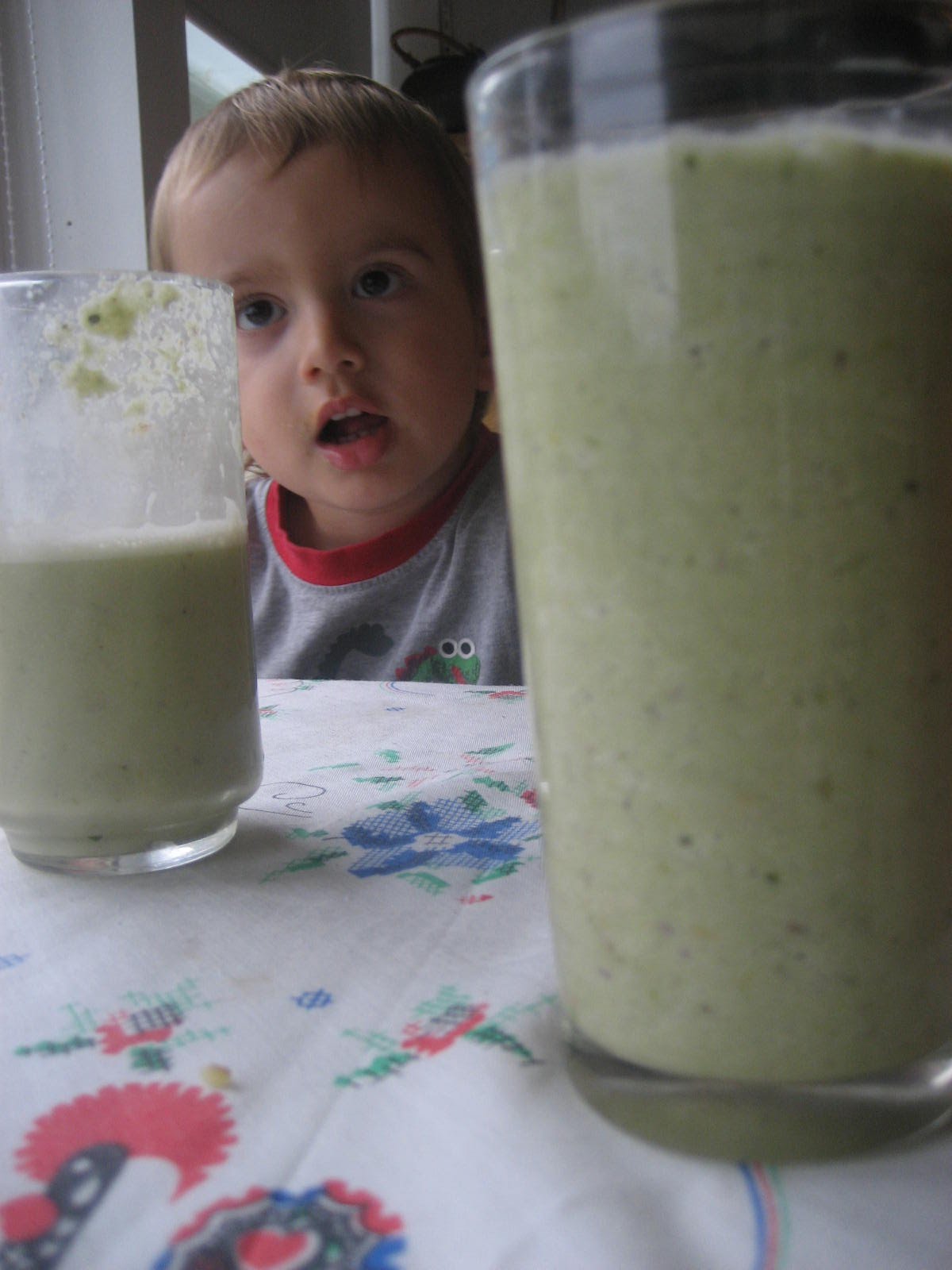
Each Saturday, if I wear my Bar Method tank top (haven't worn one of those in ages), I'm told that I'll get a healthy smoothie after class. Jennifer has already made us some seriously yummie smoothies. And, I'd like to share one with you.
3 or 4 handfuls of spinach (organic preferred)
2 or 3 dates
1 banana
Some ice/water to your desired consistency
This smoothie tastes as good as working out at the Bar Method makes me feel.
For more information about the Bar Method, and to find a location in your area, go to:
http://www.barmethod.com/
Tuesday, January 25, 2011
Could You Be a Tiger Mom?

"Can a regimen of no playdates, no TV, no computer games and hours of music practice create happy kids? And what happens when they fight back?" -WST online
Since an excerpt of Amy Chua's forthcoming book Battle Hymn of the Tiger Mother was published in the Wall Street Journal online, I have been sent numerous links to this piece from friends. Everyone asking the questions: Have you seen this? What do you think? The debates about her book have certainly been fierce online.
While WeeMunch is primarily a place for food, we do think these issues and questions about parenting styles are connected. The decisions we make for and with our children on all levels speak to who we are as a person, and ultimately as a parent. This week we host a special edition of WeeMunch: a response to Chua's article by Pieta Woolley, a mother of two children, and a Vancouver-based freelance writer (formerly the staff writer at the Georgia Straight).
"As someone parented with the polar opposite of what Amy Chua employs with her children, I appreciated her perspective. The WSJ excerpt reminded me of two books I heartily agree with. First, Shop Class as Soul Craft (2006), by Matt Crawford. This motorcycle mechanic/ doctor of philosophy changed my ideas about the origin of self respect; he delivers the compelling argument that esteem comes from having marketable skills. I believe this is what Chua is driving at when she barks her children into achievement. Second, Hold Onto Your Kids (2004), by Vancouver doctors Gabor Mate and Gordon Neufeld. The duo offers a manifesto on the importance of orienting kids towards their parents, rather than their peers. Again, Chua seems to embody this when she restricts her children's friend time.
As a mom, I am fairly freaked out by the shrinking middle class in Canada. Two generations ago you could raise an average kid, and expect they'd grow up, get a good job, buy a house, and retire comfortably. No longer. So I'm shamelessly seeking strategies to inveigle my kiddies to excel.
Plus, with CPP under the axe, someone needs to pay my Whole Foods bill when I retire."
-Pieta Woolley
Monday, January 17, 2011
New Research Shows Going Organic Better for Kids
Pesticides in Kids Linked to ADHD article
Monday, January 10, 2011
Get Inspired: Eagle Street Rooftop Farm

Tuesday, January 4, 2011
All Hail the Yummy Green Smoothie
Here’s the simple recipe Oskar and I have been enjoying lately:
2 organic apples of choice
2-3 leaves of organic kale (any variety)
Approx. ¼ cup Ryza brown rice milk (it’s one of the best quality rice milk brands out there)
a few ounces of Pineapple –optional
See another of our past smoothie posts for additional ideas.
Wednesday, December 29, 2010
Sourdough Spelt Pizza Dough
Some of our favorite toppings are: fresh tomato, wild mushrooms, spinach or kale, prosciutto or turkey sausage, anchovies, olives or capers, various peppers, sun dried tomatoes, pesto sauce, thinly sliced potatoes, and a vast array of cheeses; goat cheddar or chevre, fresh grated parmesan, feta, Monterey or mozza .
And you must remember to add unrefined salt your pizza to bring out its natural flavour, as well as a nice drizzle of cold-pressed olive oil over top. Mmm…
Mix and match the toppings on different pizzas. It’s a good idea to make 2 or more pizzas, and then have leftover for lunches.
Perhaps the most important aspect of the perfect pizza is a HOT oven. We preheat our oven 15 minutes ahead to 500 F, turning down the heat to 375 just before putting in the pizza.
So get your crust ready tonight to have pizza tomorrow.
INGREDIENTS:
¼ cup sourdough starter
3 cups spelt flour
3 TBS olive oil
1 TBS salt
2 cups water
1 cups sprouted spelt flour (or you can use regular, if you prefer)
2 tsp olive oil
METHOD:
1. Combine starter, 5 cups spelt flour, olive oil, salt and water in a large bowl.
2. Cover loosely with a towel or lid and allow to stand in a warm place for 5-10 hours (overnight is best).
3. Next add 1 cup of (sprouted) spelt flour and work it into the dough, enough so you can handle it without it being too sticky.
4. Form the dough into a ball, and rub 1 tsp of olive oil all over it.
5. Place it back in the bowl and let it stand 20 minutes.
6. Then knead the dough with your hands until it is smooth and elastic, then place it back in the bowl, and allow it to double in bulk – about 1 hour. At this point you can use it to make pizza.
7. We bake our pizzas on cookie sheets, lined with parchment paper. This makes the crust super crisp and delicious. Pizza stones also produce good results. *Cook until your desired consistency and cheese is well melted.
This recipe makes about 1 large cookie sheet rectangular pizzas. If you are not going to use it all store in a freezer until you want to use it. Then, take it out to defrost, and roll out, and put your favorite toppings on and cook.
Sunday, December 19, 2010
Surviving The Holi-daze Part II
½ Cup Organic Milk½ Cup organic butter
6T Organic cocoa
2 cups unrefined sugar (‘Panela’ or ‘Wholesome Sweeteners’ brands)
1. Boil all of above for 1 minute (only 60 seconds) on low on the the stovetop.
makes approx. 40 'drops'

1 cup soft organic butter
1/2 cup unrefined sugar (‘Panela’ or maple sugar)
1 ¾ cup brown rice flour
1/4 cup organic cornstarch or alternative
1. Cut butter and sugar into flour mix with pastry blender into dough (also with hands).
2. Blend until smooth and satiny.
3. Form into large ball and chill in fridge for 30 minutes.
4. Roll with rolling pin to ¼ inch think between 2 sheets of parchment paper.
Bake at 275 degrees C until golden (not brown).
Approx. 10 minutes.
Sunday, December 12, 2010
Surviving the Holi-daze - Part I
Feeling overwhelmed with your current commitments and now you have to add holiday celebrations/staff /school gatherings to the mix? Ugh. It’s enough to make you binge on the plethora of sweets surrounding just to get the instant energy hit to get through it all!
Don‘t despair, we’re here to help you not fall into that terrible and all too familiar trap. Instead make your own ‘guilt-free’ goodies. Indulge and enjoy yourself without the repercussions. Take a little time to make a couple of simple recipes for when you’re invited out or are having company in. Engage the kids and let them be a part of the holiday goodies preparation. Have fun with it.
Here are a few of my family’s favorites’ (quite easy when the nuts/seeds are pre-prepared and you have a good food processor):
This one’s really simple:
Oatmeal Shortbread
1 1/2 cups spelt flour
1 1/2 cup quick oats
1 cup organic butter (it’s worth it if you can swing it)
1 cup Panela (unrefined sugar)
1 tsp baking soda
1/2 tsp. unrefined salt
1.) Cream sugar and butter then add the rest of the ingredients.
2.) Roll into balls and press w/ fork to flatten gently.
3.) Bake at 350 degrees for approx. 15 minutes until slightly golden brown.
Cool and enjoy.
Merry Hemp Balls (see picture)
These balls are always a hit and have only unrefined sweeteners (that will not negatively affect blood sugar, in moderation) and healthy fats (that will not cause weight gain (if kept to moderation). They are especially nourishing when the nuts and seeds are pre-soaked (see below) so I recommend doing that ahead of time to cut down preparation time.
An all around great treat to have around the house for guests anytime or to bring to holiday parties.
1 cup raw almonds
½ cup raw organic cashews
½ cup raw organic pecans
1.5 cups organic nut butter (organic peanut or almond)
½ cup pure maple or brown rice syrup/ raw honey
2 tbsp organic Blackstrap molasses (optional)
2 tbsp pure cocoa or carob powder (optional)
or ½ cup dark chocolate chips (to roll into middle of balls)
¼ cup whole hemp and/or flax seeds (optional)
Approx. ⅓ cup shredded unsweetened coconut/crushed almonds or pistachios/whole hemp seeds (for coating)
2.) Remove blended ingredients, put into large bowl, add whole flax and/or hemp and add ‘wet’ ingredients (sweetener of choice, nut butter).
3.) Adjust to desired moistness by adding additional maple syrup or honey or blended nuts/seeds.
4.) Roll into balls. *If you want chocolate chips, roll into centre of balls.
5.) Grind almonds or shredded coconut or use whole hemp seeds. Spread onto a plate or flat surface and coat the balls.
6.) Refrigerate (or freeze for storage beyond a few days) in a well sealed, opaque container. Chew well and enjoy.
*Yields approx. 50 balls, depending on size. You can double this recipe if desired as well as play around with a variety of nuts/seeds.
Monday, December 6, 2010
What You Need To Know About Cooking With Oils
At WeeMunch we believe that how you prepare your food is as important as what you eat. Last week we introduced you to The Jungle Effect by Dr. Daphne Miller. One of the appendixes in her book provides an excellent overview to oils, how to cook with them, store them and discard them. Here is the 411 you need to know about cooking with oils:1. Store oils in a cool, dark place to protect from light, moisture and oxygen. This protects your oils from becoming rancid or developing a lower smoke point.
3. Do not reuse oils used for frying. Each heating causes the fatty acids to break down and release harmful free radicals into the oil.
4. Cooking oil should never be dumped down the drain. A single gallon of oil can contaminate as much as a million gallons of water. Improper disposal of oil can congeal in our pipes and cause serious plumbing problems, and more importantly it can harm fish, other wildlife, and destroy millions of gallons of drinking water. The best way to dispose of your cooking oil is to place it in a non-rcyclable container and throw it out with your regular garbage. It can also be recycled in soap or biodiesel fuel. Search for Household Hazardous Waste disposal centres to see if you can recycle your cooking oil locally.
Fish Oil, Flaxseed Oil, Evening primrose Oil, Borage Seed Oil
Great for sauteing, sauces, salad dressing, wok cooking (richer flavour)
Extra-Virgin Olive Oil, Unrefined Sesame Oil, Unrefined Peanut Oil, Butter, Walnut Oil
Butter, Refined Canola Oil, Refined Walnut Oil, Refined Peanut Oil,
Refined Avocado Oil, Refined Almond Oil, Refined Super High Heat Canola Oil, Palm Fruit Oil. Refined Sunflower Oil, Refined Sesame Oil, Refined Safflower Oil (high oleic), Refined Extra Light Olive Oil
Sunday, November 28, 2010
WeeMunch Reads: The Jungle Effect
Iceland. It’s cold, dark most of the year, and yet boasts some of the lowest rates of depression in the world. Why? You might have to read The Jungle Effect by author and MD Daphne Miller to find out. No, of course, we wouldn’t make you wait. Miller attributes low rates of depression in Iceland to the consumption of fish and omega 3 fatty acids that is a major part of their diet. After years of researching the traditional diets/recipes/food portions of different cultures in the world, the Harvard trained Dr. Miller found, “…evidence of what I’ve always believed—that food can be a powerful medicine.”Monday, November 22, 2010
How To Make Your Own Buttermilk

At WeeMunch we love to add buttermilk to recipes for pancakes (WeeMunch post on pancakes here) and scones. Buttermilk is just richer, creamier and easier to digest. I’ve always bought Avalon Dairy buttermilk. I love the old fashioned milk jars that it comes in.
There are, however, no dairies currently that make organic buttermilk in Vancouver and the Lower Mainland. But, truly it doesn’t matter. It’s so easy to make you own that you could use your own raw, organic whole milk or organic whole milk that you can buy at the store.
There are many health benefits to drinking and baking with buttermilk. As a fermented milk product, buttermilk is considered a probiotic food, a food that contains live microorganisms that provide health benefits. Eating probiotics helps populate your intestine with health-promoting bacteria which may improve immune function and reduce diarrhea, among other potential health benefits. Here’s how to make it yourself at home.
Buttermilk Recipe
1 cup of organic whole milk
1 tablespoon of lemon juice
Add ingredients together and let stand for 5 minutes. And, voila! You have your buttermilk ready to add to any baking recipe.
Sunday, November 14, 2010
Pomegranate Power: 5 Things You Need to Know
A glass of pomegranate juice contains more antioxidants than red wine, green tea, blueberries, or cranberries. It’s just that good for you and your little ones.Since Nigella Lawson showed us how to capture those jewel-toned-ruby-coloured seeds by slicing one pomegranate in half and battering the backside with a wooden spoon, these translucent red babies have never been easier to unpack. I never rush opening a pomegranate though. It’s part of the pleasure of eating them. My son and I slowly remove the seeds one by one, and enjoy the texture of that delicate, waffle white barrier that protects the seeds from each other within.
If you live on the West Coast of Canada, you’ll notice that pomegranates are abundant at the grocery store now, but are not grown locally. You’ll have to extend your belief that California is as far as your local, fresh borders can go. Look for pomegranates that are heavy…that’s a sign of its freshness and juiciness.
The nutrition profile of pomegranates shows us that they are:
1. the most powerful anti-oxidant of all fruits
2. a potent anti-cancer and immune supporting effects
3. inhibitors of abnormal platelet aggregation that could cause heart attacks, strokes and embolic disease
4. lowers cholesterol, blood pressure, and other cardiac risk factors
5. beneficial in relieving or protecting against depression and osteoporosis
Take some time to enjoy eating pomegranates this autumn.
Tuesday, November 9, 2010
A trip to Saltspring Island
Monday, November 1, 2010
Getting Creative with Pumpkin Carvings

Yesterday we carved our Jack ‘O’ Lantern and it inspired me to write this post as I see many people throw out their pumpkin scraps, perhaps not realizing that there is much that can be done with the seeds as well as the wonderful orange flesh. If you are one of those folks, here is what you are missing.
Pumpkin flesh is high in carotenoids, precursors to vitamin A in the body (important for healthy eyes, mucus membranes and immunity). Its seeds are rich in manganese, magnesium, phosphorus, tryptophan, iron and a great source of dietary fibre. They are also a great source of protein and zinc – known to be especially good for boosting our immunity. Simply separate them from their pulp after scraping out the interior of the pumpkin and spread them on a cookie sheet. Sprinkle with unrefined salt, nutritional yeast, paprika, cayenne or turmeric.
Once thoroughly dried in the oven (hint: roast at low temperature, below 200 degrees to retain nutrients, for about 3-4 hours) you can store them in a jar and use them as a light snack or to enhance a meal (ground and sprinkled over fish or chicken or atop of your morning oatmeal or yogourt).

You may wonder why these not the same looking pumpkin seeds as you see at the store. It’s because they still have their shell on. They can be a bit tricky to remove from the shell (and by the way it isn’t necessary as the shell is edible too), but once you get the hang of it, it’s similar to opening a sunflower seed. And the reward is delectable! I never really appreciated pumpkin seeds until I made these, and de-shelled them. What a treat! And so much better than store-bought. Perhaps it’ll be what I hand out for Halloween next year. Maybe even chocolate covered.
Here are a few ideas for using the equally nutritious pumpkin flesh:
Sautee it in organic butter w/ mixed greens (I used fresh beet tops – fantastic!)
Add in chunks/shavings to a chicken or turkey veggie soup
Bake/roast and then puree for a creamier soup texture with a delightful orange hue.
Steam/sautée in garlic and olive oil, puree and add to your favourite Weemunch Pumpkin Hummus Recipe.
Raw or cooked Pumpkin Pie (sprinkled with ground pumpkin seeds)
Pumpkin cheesecake
Sunday, October 24, 2010
Pear Rhubarb Chutney
1 cup dark raisins
in a cheesecloth or tea ball, 10 cloves
1.) Bring to a boil at medium heat.
2.) Simmer uncovered for about 40 minutes
3.) Discard spice in tea ball/cheesecloth
4.) Put into sterilized jars.
*For some practical pointers for canning, watch the following video. It helped me feel a little more confident in the essentials of canning. Note: when she says to screw the jars on "only fingertip tight" before boiling them, I'd say a wee bit tighter than that as long as you are not straining to tighten. And don't be discouraged if one of your jars 'pop's' after sealing - one of mine did. It's all part of the process - just stick it in the freezer instead.
Sunday, October 17, 2010
It's The Wee Things That Count
This soup is quite easy to prepare, easy to digest and verrry nourishing! Great for cold, blustery Autumn days to warm our cold, tired bones!
Ingredients:
One quart organic/free range non-medicated chicken stock (ideally homemadeJ)
One large organic/local onion
1 lb (approx. 8 med.) organic/local carrots, chopped.
1 tbsp organic butter
1 tbsp cold-pressed, extra virgin olive oil
1 large chunk of fresh ginger pressed through garlic press
1 sprig of fresh parsley, lemon thyme or chives
Unrefined sea salt to taste
1 cup (approx.) peeled cubed organic/local apples
1.) Sautee onion in butter and olive oil in a saucepan until transparent.
2.) Add in ginger and chopped carrots – cover until carrots are soft.
3.) Meanwhile, simmer chicken stock in large pot, covered.
4.) Once carrots are softened, add all saucepan ingredients into food processor and puree.
5.) Add to stock, salt to taste, and simmer for ½ hour to meld flavours.
6.) Add apple cubes approx. 15 minutes before serving to soften.
7.) Serve with a sprinkling of fresh chopped parsley, lemon thyme or chives.
Accompany with a few slices of warm wholegrain sourdough bread, a baked potato with all the fixings or some roasted chicken with sautéed greens.
~Even better the next day …Enjoy
Monday, October 11, 2010
Raw Foodies at Newly Established Organic Lives
The raw, organic food movement has expanded in Vancouver with the newly established restaurant, online and in-store shop, and educational facility called Organic Lives.The health benefits of raw, coconut water is impressive: strengthening the immune system, aiding digestion, promoting vitality and energy, and hydration. Coconut water is high in potassium, calcium, natural sugars and chloride. And, on those days when my son resists drinking water…I give him a slurp of raw, coconut water to ensure he stays adequately hydrated
In addition to cruising the aisles at Organic Lives…and soaking in their raw varieties of nuts, cocao, salt and spices, dried kale and veggie crackers…We also tried one of their strawberry and chai spice smoothies, which they make with their own homemade almond milk. Commercially sold almond milk contains added sugar, additives, preservatives and beyond. Almond milk is an alternative to cow’s milk and can be added to smoothies or your morning granola. And, it’s easy to make. Here’s a simple recipe:
Almond Milk (5 cups)
Ingredients:
1 cup of raw, unsalted, organic almonds (a handful of brazil nuts optional)
5 cups water
1 to 2 tbsps of maple syrup or 1 tsp of pure vanilla extract (optional)
A blender or a fine Strainer or a cheese cloth
Directions:
1. Place one cup of almonds in a bowl, add a handful of brazil nuts to create a creamier taste
2. Cover the nuts with water by one inch and let stand of 24 hours or more
3. Remove the water, and place the soaked almonds in a blender or food processor, blend together until fine
4. Add three cups of water and then place in a fine strainer into a bowl
5. Place the remaining almonds back in the blender and add two more cups of water to the mix
7. Store in the fridge. Lasts 3 to 5 days.
8. Make a facial scrub with the remaining almond puree!
Tuesday, October 5, 2010
A Trip to Pemberton
Oskar was instantly drawn to the big red piggies, the Indian Runner Ducks and, of course the caw of the roosters! It was such a different pace from the city - a welcome pace indeed. Needless to say, we ate gorgeously fresh food during our stay (a dynamic and succulent mixed green salad with edible flowers and raspberries, roasted chicken rubbed with fresh herbs and some leftover desserts from the night before; the Outstanding in the Field dining event they had attended.
This visit reaffirmed by belief that kids need to see 'the other side of things'. They need to be shown where their food comes from, how it's grown and harvested and, ultimately, prepared. It provides them with a connection to their food (that is all but lost in most urban kids these days).
This is not a new topic on our blog but I feel it needs to be echoed as I see so many mothers struggling with their children's fussiness and disconnection to their food. Much of that can be alleviated by incorporating some simple practices at home (a trip to a farm wouldn't hurt too, if you can manage it. This 'harvest season' is the best time to do it as everything is ripe and ready to be plucked.)
1.) Keep giving your kids food that you feel they need in their diet, even if they refuse it (ie: fresh leafy greens, root veggies, whole vs. white grains, fruit instead of fruit juice. And provide small amounts to avoid waste).
2.) Don't give up, they'll eventually decide they want to try it (most of the time anyways). It's not about trickery or pushing something on them. It is about positive encouragement. Note: they are more likely to do it if you do.
3.) Engage them. Let or encourage them to be a part of the food preparation, starting at the grocery store, farmer's market, whatever your source for food.
4.) Let them or encourage them to help prepare meals (start simple and eventually allow them to make whole meals, according to age and abilities - don't underestimate them. You'll be surprised how quick they learn and how able they are when Mom (or Dad) has the patience to weather the mess, ie: the odd egg shell in your omelette, or perhaps a broke dish on occasion. Empowering them to enjoy and be responsible for their nourishment will feed them throughout their life (mentally and spiritually too).
5.) Make dinnertime a time to relax and bond as a family, have conversation, perhaps even have a few laughs. Ideally, encourage your children to honour their meal times by sitting for the duration of the meal and eat as much as is comfortable for them, taking time to chew and rest. This, again, is most effective when we, as parent, lead by example. It will teach them to appreciate their meals and mealtimes more.*An added bonus is that this will also enhance the digestive process; when the body is more relaxed it breaks down our foods more efficiently and we absorb its nutrients.
6.) Talk to your kids about where their food comes from, if they cannot see for themselves. Make it an important conversation where you display to them that is worthwhile thinking this through. Add in gratitude toward the person who provided/grew/raised the food.
7.) Grow your own food, if possible. If you don't have a yard or space to grow in consider a planter box or perhaps just a few herbs in the window. And there's always sprouts or ferments (see our ginger beer post) - which anyone can ‘grow’ in their kitchen with a little know-how.
*Stay tuned for more on creative options for growing food in future blogs.
Until then, be well nourished...

Sunday, September 26, 2010
Test Kitchen: Banana Bread Birthday

Cooking and baking is all about interpretation. It’s always a privilege to try out someone else’s family recipes, particularly this tasty, simple banana bread that has been in Vitamin Daily Editor Sarah Bancroft’s family for four generations. I’ve taken her deluxe, super simple recipe and added a few WeeMunch touches to make it a little more holistic and to minimize those sugary highs and lows that our little’s ones get when they eat too much refined, white sugar and flour. I’ve also added Lisa-Marie’s cream cheese icing. My take on it requires half the maple sugar and a touch more cream cheese. That’s the great part about baking…learning about other people’s trade secrets, and, over time, making them your own.
I recently served this at my son Ilan's second birthday. And, while these banana bread cupcakes looked a little like those vegan, sugar and gluten free hockey pucks (Babycakes NYC Cupcakes) I served at his first birthday...our famillies were pleasantly surprised by the soft and delicious flavours of this year's creation. Try them.
Banana Bread
2 large eggs
1 cup of panela sugar (Read Truth about Sugar here)
½ cup of oil (unrefined preferred)
2 ripe bananas
1¼ cup spelt flour
1 tsp baking soda
Preheat the oven to 315 degrees F. Combine eggs, oil and sugar. Add mashed banana and nuts. Sift in flour and baking soda, stirring just until blended. Bake in well-greased loaf pan for about an hour. Sarah Bancroft’s Original Post
Cream Cheese Icing
200 grams organic cream cheese2 tbsp organic butter or ½ cup organic whipping cream, whipped.½ tsp. vanillaAdd 1/2 cup sifted maple sugar and ½ maple syrup
Beat for 3 to 5 minutes. Then refrigerate for a few hours. Spread on your banana bread right before serving. Enjoy.
Monday, September 20, 2010
Last Chance for Vancouver's Farmer's Markets
Beyond getting to park your bike in the bike valet, there is no better way to eat or learn about what's local than visiting your nearby farmer's market. In the last five years, Vancouver's farmer's markets have become a lively and well supported institution where you can now buy local meat and seafood, cheese, bread, produce, crafts and more. Visiting the markets on a regular basis is also a good way to get to know your local producers. I've started to develop relationships with an apiary in Abbotsford and a farm in the Okanagan. This can give you a closer connection to your food and provide a real sense of trust in knowing where your food is coming from. That's not
something you get when shopping at a big box grocer, or even a place like Whole Foods.